Ledger Wallet Update Guide: Maintain Currency, Maintain Protection
Preserving current ledger wallet update status shields your cryptocurrency through security corrections while activating new capabilities and sustaining compatibility.
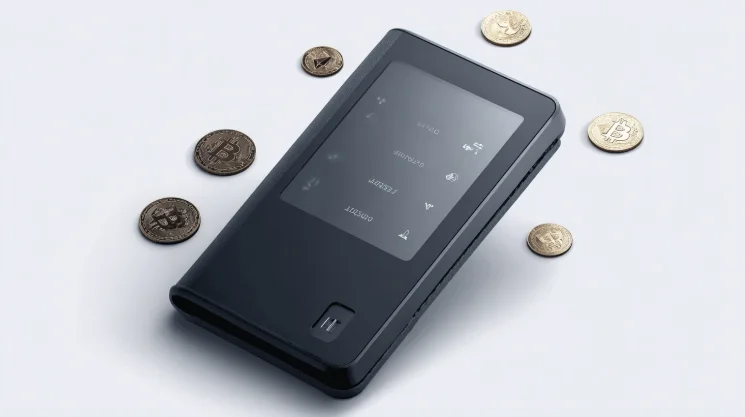
Preserving current ledger wallet update status shields your cryptocurrency through security corrections while activating new capabilities and sustaining compatibility. If you're setting up a new device, complete the initial setup process first, then ensure you're running the latest version from our download page. This resource clarifies why ledger live update proves essential, navigates through ledger wallet upgrade procedures for both software and firmware, supplies version history perspective, and addresses frequent update complications.
Why Ledger Live Update Proves Essential
Security Considerations
Every ledger live update potentially remedies discovered weaknesses. Security investigators continuously examine cryptocurrency software for vulnerabilities. When complications surface, updates remedy them—frequently before attackers can leverage them.
Operating outdated software exposes you to recognized vulnerabilities. Although hardware wallet design delivers fundamental safeguarding, software weaknesses could theoretically expose information, facilitate phishing campaigns, or generate transaction errors.
Capability Access
Updates activate functionalities that were unavailable during your initial installation. Recent additions have encompassed refined DEX aggregation delivering superior swap rates, broadened staking compatibility for additional networks, enhanced NFT presentation and administration, performance refinements for accelerated synchronization, and fresh cryptocurrency integrations.
Without updates, you forfeit these advancements and potentially sacrifice access to capabilities as the ecosystem progresses. Ensure your Ledger device firmware is also kept current for optimal security.
Compatibility Preservation
Blockchain networks progress through protocol modifications, hard forks, and emerging standards. Refreshed software sustains compatibility with these transformations.
Outdated versions might neglect to identify new transaction formats, present incorrect balances following network modifications, forfeit access to tokens employing new standards, or encounter synchronization complications as APIs transform.
Executing Ledger Wallet Updates
Automatic Update Detection
Ledger Wallet examines for updates automatically upon launch. If you haven't installed Ledger Wallet yet, download it first from official sources.
When a fresh version exists, a notification surfaces prompting download. Selecting the notification commences background download. Following completion, you receive installation prompts. Installation demands brief application restart.
This automatic detection guarantees notification regarding updates without manual verification. After updating, ensure your device firmware is also current by following our device management guide.
Manual Update Procedure
Should automatic notification remain absent, update manually:
- Launch Ledger Wallet and proceed to Settings (gear icon).
- Choose "About" from the settings menu.
- Select "Check for updates" to query Ledger's servers.
- Should an update exist, follow prompts for download and installation.
- Restart the application when requested.
- Confirm successful update by re-examining the version number in Settings > About.
Mobile Application Updates
Mobile ledger wallet update follows standard app marketplace procedures:
- Launch Apple App Store (iOS) or Google Play Store (Android).
- Proceed to the Updates section or search "Ledger Live."
- Should an update exist, select "Update."
- Await download and installation.
- Open the refreshed app and confirm operation.
Consider activating automatic app updates within your phone settings to obtain updates without manual intervention.
Firmware Update Procedure
Beyond software updates, your hardware device demands periodic firmware updates. Ensure you have downloaded the desktop application and completed initial device setup:
- Attach your Ledger device to your computer through USB.
- Launch Ledger Wallet desktop application.
- Proceed to "My Ledger" or "Manager" section.
- Unlock your device by submitting your PIN when requested.
- Examine for firmware update notification. When available, specifications appear prominently.
- Examine the update description to comprehend modifications.
- Select "Update firmware" to commence the procedure.
- Adhere to on-screen and on-device instructions carefully.
- Preserve stable USB connection throughout—avoid disconnecting your device.
- Await completion. The procedure typically requires 3-5 minutes.
- Re-submit your PIN when the device restarts.
- Confirm the refreshed firmware version in My Ledger.
CRITICAL: Never disconnect throughout firmware updates. Interruption can render your device inoperable, demanding recovery utilizing your 24-word phrase. Guarantee stable power and avoid relocating your device.
Release History Summary
| Version | Platform | Release Period | Primary Additions | Security Updates | Remarks |
|---|---|---|---|---|---|
| 2.73+ | Desktop | Q4 2024 | Refined swap aggregation, UI improvements | Dependency updates | Current stable release |
| 2.70+ | Desktop | Q3 2024 | Broadened staking networks, performance gains | Security corrections | Minimum recommended version |
| 3.38+ | Mobile | Q4 2024 | Feature parity with desktop, Bluetooth stability | Security corrections | Current stable release |
| FW 1.1.1 | Nano S Plus | Q4 2024 | Performance improvements | Security strengthening | Current firmware |
| FW 2.2.4 | Nano X | Q4 2024 | Bluetooth stability, expanded coin compatibility | Security corrections | Current firmware |
Version numbers represent approximations. Consult Ledger's official channels for precise current versions.
Addressing Update Complications
When updates fail, attempt these remedies:
For download complications, confirm stable internet connectivity. Deactivate VPN if operating (certain configurations block Ledger servers). Attempt downloading during reduced-traffic periods. Purge application cache and retry.
For installation complications, terminate all other applications. Execute Ledger Wallet as administrator (Windows). Confirm adequate disk space (500MB+ available). Temporarily deactivate antivirus software.
For firmware update complications, confirm device possesses sufficient battery (Nano X). Confirm USB cable remains secured—prevent movement. Experiment with alternate USB ports (direct to motherboard, circumvent hubs). Restart computer and device prior to retrying.
Should firmware update fail catastrophically and your device becomes unresponsive, enter recovery mode per Ledger's documentation, subsequently restore utilizing your 24-word recovery phrase. Your cryptocurrency persists safely on the blockchain—hardware complications never affect your holdings.
Recent Additions: Latest Enhancements
Latest ledger wallet upgrade releases have supplied significant improvements.
Refined swap functionality presently aggregates additional DEX liquidity sources delivering superior exchange rates. The interface streamlines the exchange experience featuring clearer rate comparisons and fee transparency.
Broadened staking presently accommodates additional proof-of-stake networks featuring simplified delegation workflows. Reward monitoring has improved presenting earnings more distinctly.
NFT administration improvements supply superior presentation of digital collectibles, refined Clear Signing for NFT transactions, and enhanced organization instruments.
Performance refinement has decreased synchronization durations, particularly for accounts featuring extensive transaction records. Memory utilization improvements facilitate smoother operation on older hardware.
Security improvements encompass refreshed cryptographic libraries, enhanced secure communication protocols, and refined verification workflows for complex transactions.
Frequently Asked Questions
Desktop: Updates undergo automatic detection upon launch, or verify manually through Settings > About > Check for updates. Mobile: Refresh through Apple App Store or Google Play Store like any alternative application.
Yes. Updates remedy security vulnerabilities, incorporate new capabilities, and preserve compatibility with progressing blockchain networks. Operating outdated software generates unnecessary exposure.
Attach to desktop Ledger Wallet, proceed to My Ledger/Manager, and adhere to prompts when updates become available. Maintain device connection throughout—never disconnect throughout updates.
Your cryptocurrency persists safely on the blockchain irrespective of software complications. Retry the update following troubleshooting. For catastrophic firmware complications, restore your device utilizing your recovery phrase.
Ledger Wallet software updates typically distribute every 2-4 weeks. Firmware updates occur less frequently, approximately every 2-4 months, yet carry elevated importance for security.
You can postpone updates, yet indefinitely bypassing generates security exposure and compatibility complications. Certain capabilities may cease functioning without updates as the ecosystem progresses.