Ledger Wallet Setup & Login: From First Use to Complete Proficiency
Executing ledger wallet setup accurately establishes the security groundwork safeguarding your cryptocurrency for years ahead.
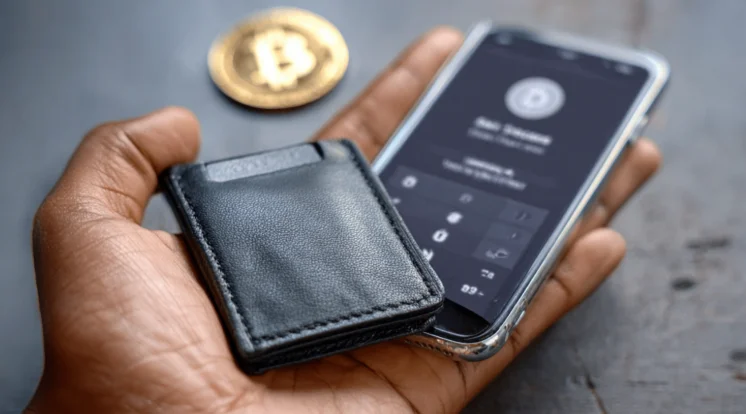
Executing ledger wallet setup accurately establishes the security groundwork safeguarding your cryptocurrency for years ahead. Before beginning, ensure you've completed the Ledger Wallet download from official sources. This resource navigates through every initialization step, clarifies the ledger wallet login procedure, demonstrates ledger wallet how to use fundamental features, and supplies thorough troubleshooting for frequent obstacles. After setup, keep your device secure with regular firmware and software updates. From initial unboxing through confident everyday operation, discover everything necessary here.
Preparing for Ledger Wallet Setup
Required Components
Prior to commencing ledger wallet setup, assemble your Ledger hardware wallet (Nano S Plus, Nano X, Flex, or Stax) - compare models in our device comparison guide, the USB cable included with your device, a computer running Ledger Wallet obtained from official sources, the recovery phrase cards packaged in your box, a dependable pen (avoid pencil, which deteriorates), and 30-45 minutes of focused attention.
For mobile-oriented setup, confirm your smartphone contains the Ledger Wallet application and Bluetooth remains activated (for compatible hardware). Download the mobile app from our download page if you haven't already.
Security Awareness
Approach configuration with security consciousness.
Your 24-word recovery phrase represents the master access to your complete cryptocurrency portfolio. Anyone possessing this phrase can extract all your holdings. Never capture it photographically. Never enter it anywhere digitally. Never preserve it electronically. Never disclose it to anyone, Ledger support included.
Your hardware should arrive with factory seals intact. Examine packaging for tampering evidence. The device itself should contain no pre-established PIN and no pre-recorded recovery phrase—authentic devices demand you generate these throughout setup.
Full Device Initialization Process
Adhere to this ledger wallet setup sequence precisely:
- Deploy Ledger Wallet on your computer from ledger.com/ledger-live prior to opening your hardware packaging.
- Launch the application and choose "Get Started" from the welcome display.
- Identify your specific device model from presented selections.
- Choose configuration path: "Set up a new Nano" for initial use, or "Restore from recovery phrase" when migrating from an existing wallet.
- Attach your hardware device utilizing the included USB cable. Activate by pressing the button beside the USB port (Nano models) or following touchscreen directions (Flex/Stax).
- Proceed through initial device instructions using buttons or touchscreen to designate language and validate setup type.
- Establish your PIN code directly on the hardware—select 4 to 8 digits. Choose something memorable yet not readily predicted (circumvent birthdays, sequences, or repeated digits). Input twice for confirmation.
- Document your recovery phrase with utmost precision. Your device presents 24 words sequentially. Transcribe each word exactly as displayed onto your paper backup cards. Confirm spelling. Validate word sequence. This phrase cannot undergo recovery if misplaced.
- Validate your phrase when requested by identifying correct words from multiple selections. This confirmation guarantees accurate documentation.
- Finalize the genuine check within Ledger Wallet. This cryptographic confirmation verifies your device operates authentic Ledger firmware.
- Register an optional Ledger account for cross-device synchronization and enhanced capabilities.
- Deploy cryptocurrency applications via the Manager section. Incorporate apps for each blockchain you intend to utilize (Bitcoin, Ethereum, etc.).
- Establish accounts for each deployed app. This produces your receive addresses and activates portfolio monitoring.
- Confirm successful configuration by verifying accounts display in your portfolio and you can produce verified receive addresses.
Ledger Wallet Login: Reaching Your Holdings
Authentication Principles
The ledger wallet login framework differs fundamentally from conventional username/password arrangements.
Your hardware device constitutes your authentication. Rather than credentials preserved on servers, your physical device demonstrates identity through cryptographic challenge-response. No password database exists for breach. No credentials can undergo phishing through counterfeit login pages.
For observation-only access (examining balances), no authentication proves necessary—portfolio data synchronizes from public blockchain records.
For transaction access, you must attach your hardware device and input your PIN. This physical authentication resists remote spoofing.
Desktop Access Procedure
Desktop ledger wallet login functions straightforwardly.
Open Ledger Wallet from your Start menu, Applications folder, or desktop shortcut. If you haven't installed it yet, download Ledger Wallet first. Your portfolio populates immediately—balances remain visible without device attachment.
To execute transactions, attach your Ledger through USB. Your device requests PIN entry. Submit your PIN utilizing device buttons. Following authentication, complete transaction functionality becomes accessible. Ensure your device firmware is current by checking our update guide.
Mobile Access Procedure
Mobile ledger wallet login follows comparable patterns.
Launch Ledger Wallet on your smartphone. Portfolio appears automatically derived from previously synchronized accounts.
For transactions, attach your device through Bluetooth (Nano X, Flex, Stax) or USB OTG (Nano S Plus on Android). Submit your PIN on the hardware. Transaction functionality activates following successful authentication.
Ledger Wallet How to Use: Essential Functions
Transmitting Cryptocurrency
Perfect outgoing transfers through this workflow:
- Proceed to the account containing the cryptocurrency you intend to transmit.
- Select "Send" to commence the transaction.
- Submit the recipient's address by pasting from clipboard or scanning a QR code. Verify this address thoroughly—cryptocurrency transactions prove irreversible.
- Specify the quantity to transmit in either cryptocurrency or fiat equivalent.
- Examine the network fee and modify if necessary. Elevated fees confirm faster; reduced fees economize yet may postpone confirmation.
- Select "Continue" to complete transaction preparation.
- Attach your hardware device if not presently connected.
- Examine transaction specifics on your device's display. Validate the recipient address corresponds with your intention. Validate the quantity remains accurate.
- Authorize by pressing both buttons concurrently (Nano) or confirming on touchscreen (Flex/Stax).
- Await broadcast confirmation within the app, subsequently monitor for blockchain confirmation.
Accepting Cryptocurrency
Incoming transfers demand address confirmation:
- Proceed to the account designated for receiving funds.
- Select "Receive" to commence.
- Attach your hardware device when requested.
- The application presents a receive address and QR code.
- Confirm this address on your hardware device display. The address appearing on your computer/smartphone must precisely correspond with what displays on your trusted hardware screen.
- Exclusively following confirmation should you distribute this address to the sender or employ the QR code.
This confirmation procedure blocks clipboard malware from inserting attacker addresses.
Discovering Additional Capabilities
Beyond fundamental transactions, master ledger wallet how to use advanced functions. Ensure your software is current by checking our update guide.
Purchase cryptocurrency by proceeding to the Buy section, designating your preferred asset, specifying quantity, selecting payment method, and finalizing the transaction through integrated partners.
Exchange between cryptocurrencies by choosing Swap, designating source and destination assets, examining exchange rates, and authorizing on your device.
Stake eligible assets by proceeding to supported PoS currencies, choosing a staking provider, and delegating your holdings to accumulate rewards. Learn more about device compatibility for different features.
Problem Resolution Reference Matrix
| Problem | Indicators | Probable Origin | Resolution Procedure |
|---|---|---|---|
| Device unrecognized | "Connect your device" persists | Hardware locked, cable complication | Unlock hardware initially; experiment with original cable; test alternate USB ports |
| Connection interrupts | Regular disconnections | Unsecured cable, Bluetooth interference | Secure cable attachment; minimize distance for Bluetooth; reduce interference |
| Genuine check unsuccessful | Authentication alert | Connection instability, possible tampering | Retry with stable connection; if recurring, reach support before utilizing |
| Accounts not populating | Vacant portfolio despite holding funds | Incorrect accounts, incomplete sync | Confirm correct accounts incorporated; await sync completion; verify network connection |
| Transaction declined | Error throughout signing | Incorrect app active, inadequate funds | Launch correct crypto app on hardware; confirm sufficient balance including fees |
| Firmware update stalled | Progress indicator frozen | Disrupted connection | Avoid disconnection; wait 10 minutes; if frozen, disconnect and restart from beginning |
| Bluetooth pairing unsuccessful | Devices refuse connection | Bluetooth deactivated, outdated pairing | Activate Bluetooth on both devices; eliminate previous pairing; re-establish through app |
| Balance inaccurate | Figures mismatch expectations | Sync delay, network complication | Reload account; await complete synchronization; confirm correct network |
Comprehensive Troubleshooting
Connectivity Failures
When your hardware remains unrecognized, proceed methodically.
Initially, confirm your device is unlocked. Locked devices displaying PIN screens frequently evade detection.
Subsequently, examine your USB cable. Employ the original cable packaged with your device. Third-party cables may lack data transfer capability.
Next, experiment with alternative USB ports. Circumvent hubs; attach directly to your computer. USB 2.0 ports occasionally function superior to USB 3.0 for legacy driver compatibility.
Additionally, terminate competing software. Alternative wallet applications (MetaMask browser extension, Electrum) may monopolize device communication.
Finally, refresh Ledger Wallet. Outdated software can produce recognition failures. Check our update guide to ensure you're running the latest version.
For Bluetooth complications, confirm Bluetooth remains activated on your smartphone and Ledger hardware. Examine battery level—depleted battery affects connectivity. Eliminate existing pairings from your smartphone's Bluetooth settings and re-establish through the Ledger Wallet application. If you need a device with Bluetooth, see our device comparison.
Synchronization Complications
When portfolio data refuses loading or displays inaccurately, attempt these approaches.
Examine internet connectivity. Blockchain synchronization demands stable network access.
Await completion. Substantial accounts featuring extensive transaction records require extended synchronization—permit 15-30 minutes.
Purge application cache through Settings > Help > Clear cache. This compels fresh data retrieval.
Delete and re-establish accounts. Occasionally recreation resolves persistent sync complications.
Confirm Ledger service availability. Periodic server complications affect all users; examine Ledger's status page.
Transaction Challenges
When transactions refuse completion, investigate these possibilities.
Inadequate funds accounting for network fees causes numerous failures. Confirm your balance encompasses both transmit quantity and estimated fee.
Incorrect cryptocurrency app active on your hardware prevents signing. Launch the specific app corresponding with your transaction (Bitcoin app for BTC, Ethereum app for ETH).
Network congestion can produce broadcast delays. Your transaction may remain pending rather than failed—examine blockchain explorers.
Invalid recipient address format produces immediate rejection. Confirm the address corresponds with expected format for that cryptocurrency.
Support Channels
When self-troubleshooting proves unsuccessful, access official support. Before contacting support, ensure you've completed proper installation and software updates.
Knowledge repository at support.ledger.com contains extensive documentation addressing most complications.
Live chat throughout business hours delivers real-time assistance via the support portal.
Support tickets for complex complications receive response within 24-48 hours.
CRITICAL ALERT: Ledger supplies NO telephone support. Any phone number claiming Ledger representation constitutes a scam. Authentic support never solicits your recovery phrase. Always verify you're using an authentic Ledger device.
Frequently Asked Questions
Deploy the application from official sources, attach your device, establish a PIN, document your 24-word recovery phrase, finalize the genuine check, deploy cryptocurrency apps, and establish accounts. Allocate 30-45 minutes.
Portfolio observation demands no login—balances synchronize automatically. Transactions demand attaching your hardware device and submitting your PIN, which functions as your authentication.
Frequent origins include locked hardware (unlock initially), incompatible cable (employ original), USB port complications (experiment with alternate ports), or conflicting software (terminate other wallet applications).
Choose your Bitcoin account, select Send, submit recipient address and quantity, examine fee, attach device, confirm specifics on hardware display, and authorize with button activation.
Three incorrect PIN attempts reset your hardware. You'll require your 24-word recovery phrase for restoration. Never disclose this phrase—it constitutes your exclusive backup.
Yes. Deploy the application on any computer or smartphone. Register an optional Ledger account to synchronize portfolio data across devices. Transactions still demand your hardware wallet.